
Aplicaciones

[ APPLICATION REQUIREMENTS ]

Why Lubricant Requirements Vary by Application

Key Functions Across Applications

Lubricants perform different roles across industrial equipment, from transmitting hydraulic power and separating moving surfaces to carrying away heat, controlling friction and protecting against corrosion. In specialised applications, they also provide electrical insulation or help maintain a vacuum seal.

Products with similar viscosity are not necessarily interchangeable. Base oil type, additive chemistry, water separation, thermal stability, material compatibility and electrical properties also matter. Select lubricants according to equipment design, operating conditions and manufacturer specifications.

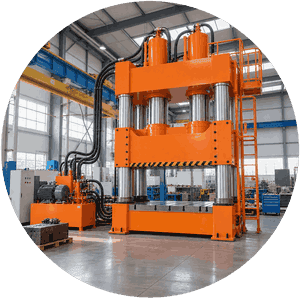
Hydraulic Oils for Industrial Hydraulic Systems

Hydraulic oils transmit power while lubricating pumps, valves and cylinders. Selecting a suitable oil helps maintain viscosity, protect components against wear and support reliable operation as temperatures and loads change.
Key Lubrication Requirements

• Reliable hydraulic power transmission
• Wear protection for pumps and components
• Stable viscosity across operating temperatures
• Oxidation resistance and oil stability
• Air release and foam control
• Rust protection and water separation
• Seal compatibility and low-temperature flow

Common Hydraulic System Issues

× Slow or inconsistent system response
× Pump noise and vibration
× Excessive operating temperatures
× Unstable hydraulic pressure
× Foaming or cloudy oil
× Wear in pumps, valves and cylinders
× Seal deterioration and oil leaks
× Blocked filters and sludge buildup

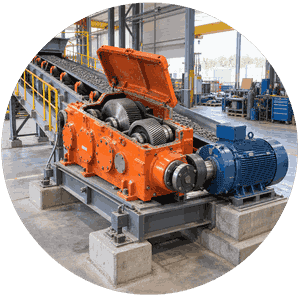
Gear Oils for Industrial Gearboxes

Industrial gear oils form a protective film on loaded gear surfaces and lubricate bearings. Selecting the right oil depends on gear design, speed, load, operating temperature, contamination and the gearbox’s lubrication method.
Key Lubrication Requirements

• Strong oil film protection under heavy loads
• Extreme-pressure and anti-wear performance
• Protection against scuffing and corrosion
• Thermal and oxidation stability
• Rust protection for gears and bearings
• Effective water separation
• Foam control and air release
• Gearbox cleanliness and deposit control

Common Industrial Gearbox Issues

× Gear tooth pitting or flaking
× Scuffing on gear surfaces
× Increased gearbox noise
× Persistently high oil temperatures
× Rapid oil darkening
× Sludge and deposit buildup
× Oil emulsification
× Seal leaks and abnormal bearing wear

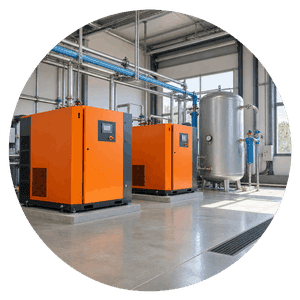
Compressor Oils for Air Compressors

Compressor oils lubricate moving parts, transfer heat and help seal compression chambers in applicable designs. Resistance to oxidation and deposit formation is especially important under sustained high temperatures and exposure to compressed air.
Key Lubrication Requirements

• Wear protection for compressor components
• Effective cooling and heat transfer
• Sealing support in applicable designs
• Low carbon and deposit formation
• Thermal and oxidation stability
• Effective water separation
• Rust and corrosion protection
• Reliable lubrication during continuous operation

Common Air Compressor Issues

× High discharge temperatures
× Carbon deposits on valves and discharge lines
× Significant changes in oil viscosity
× Sludge and varnish formation
× Oil emulsification
× Blocked filters or air-oil separators
× Increased compressor noise
× Excessive oil consumption
× Shortened oil change intervals

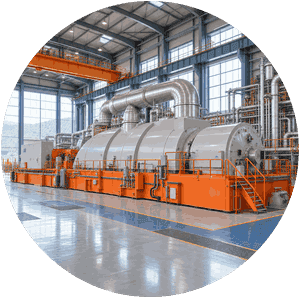
Turbine Oils for Steam, Gas and Hydro Turbines

Turbine oils lubricate bearings, dissipate heat and help keep lubrication systems clean. Depending on turbine design, they may also support hydraulic control functions. Oxidation stability and deposit control are essential for extended operation.

Key Lubrication Requirements

• Long-term thermal and oxidation stability
• Wear protection for bearings
• Rapid water separation
• Rust and corrosion protection
• Foam control and air release
• Sludge and varnish control
• Lubrication system cleanliness
• Reliable hydraulic control performance

Common Turbine Lubrication Issues

× Rising oil acid number
× Sludge and varnish formation
× Sticking control valves
× Slower water separation
× Excessive reservoir foaming
× Elevated bearing temperatures
× Rust within the lubrication system
× Noticeable changes in oil colour or odour
× Increased filter differential pressure

Insulating Oils for Transformers

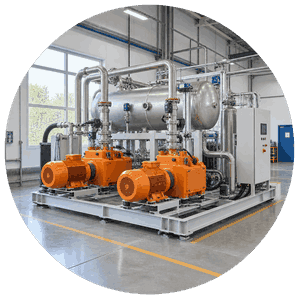
Transformer oils provide electrical insulation and transfer heat away from windings and other internal components. Maintaining dielectric strength, low moisture content and oxidation stability helps support dependable transformer operation.
Key Lubrication Requirements

• High dielectric breakdown strength
• Low dielectric losses
• Effective heat transfer
• Low moisture content
• Resistance to oxidation
• Good low-temperature fluidity
• Cleanliness and particle control
• Stable electrical insulating properties

Common Transformer Oil Issues

× Reduced dielectric breakdown voltage
× Increased moisture content
× Oil oxidation and discolouration
× Rising oil acid number
× Sludge formation
× Deteriorating insulation performance
× Abnormally high transformer temperatures
× Abnormal dissolved gas levels
× Increased particle contamination

Vacuum Pump Oils for Reliable Vacuum Performance

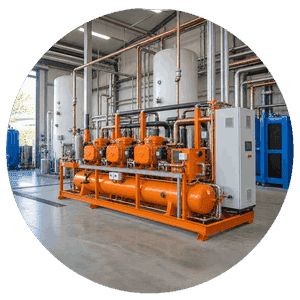
Vacuum pump oils lubricate moving components and help seal internal clearances in oil-sealed pumps. Vapour pressure, oxidation stability and resistance to contamination influence achievable vacuum levels and pump reliability.
Key Lubrication Requirements

• Low vapour pressure
• Effective sealing of internal clearances
• Resistance to oxidation
• Stable operating viscosity
• Foam control
• Water and contaminant separation
• Reduced friction and wear
• Deposit control and pump cleanliness

Common Vacuum Pump Issues

× Failure to reach the required vacuum
× Reduced pumping speed
× Elevated pump temperatures
× Emulsified or cloudy oil
× Excessive oil mist
× Changes in oil odour or colour
× Internal deposit buildup
× Unusual pump noise
× More frequent oil changes

Refrigeration Oils for Refrigeration Compressors

Refrigeration oils lubricate compressor bearings and moving parts while operating in contact with refrigerants. Selecting an oil compatible with the refrigerant, compressor design and operating temperatures is essential for lubrication and effective oil return.

Key Lubrication Requirements

• Compatibility with the specified refrigerant
• Good low-temperature fluidity
• Thermal and chemical stability
• Wear protection for compressor components
• Low wax precipitation tendency
• Compatibility with seals and materials
• Foam control
• System cleanliness and deposit prevention

Common Refrigeration Compressor Issues

× Poor oil flow at low temperatures
× Inadequate oil return
× Oil buildup reducing evaporator heat transfer
× Compressor bearing wear
× Oil and refrigerant incompatibility
× Sludge and deposit formation
× High starting current
× Abnormal discharge temperatures
× Reduced cooling efficiency

Slideway Oils for Machine Tool Guideways

Slideway oils control friction between machine guideways and moving tables. They help maintain a stable lubricating film at low speeds, reduce stick-slip and support smooth, precise movement during machining.

Key Lubrication Requirements

• Low starting friction
• Balanced static and dynamic friction
• Stick-slip control at low speeds
• Smooth movement for machining accuracy
• Strong adhesion to guideway surfaces
• Wear protection for slideways
• Rust and corrosion protection
• Hydraulic compatibility where required

Common Machine Tool Guideway Issues

× Stick-slip during low-speed movement
× Jerky or inconsistent table travel
× Reduced positioning accuracy
× Scuffing and wear on guideway surfaces
× Chatter marks on machined surfaces
× Lubricant washed away by coolant
× Rust on exposed guideways
× Pressure fluctuations in shared hydraulic systems
× Abnormal lubricant consumption

Bearing Oils for Industrial Bearings

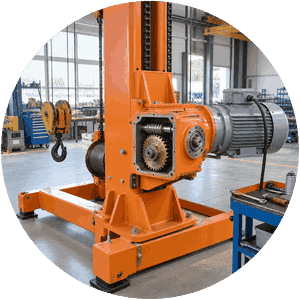
Bearing oils reduce friction, carry away heat and protect bearing surfaces against wear and corrosion. The appropriate viscosity and performance depend on bearing speed, load, clearance, operating temperature and lubrication method.
Key Lubrication Requirements

• Stable lubricating film formation
• Reduced friction and wear
• Effective bearing cooling
• Rust and corrosion protection
• Resistance to oxidation
• Effective water separation
• Circulating oil system cleanliness
• Foam control and air release

Common Industrial Bearing Issues

× Elevated bearing temperatures
× Unusual noise or vibration
× Surface scuffing and wear
× Insufficient lubricating film strength
× Rust caused by water contamination
× Sludge and varnish formation
× Inadequate or irregular circulating oil flow
× Blocked oil filters
× Excessive oil foaming

Lubricants for Worm Gear Drives

Worm gear drives involve substantial sliding contact, which generates friction and heat. Suitable lubricants maintain film strength, control wear and remain compatible with bronze and other metals used in the gear assembly.

Key Lubrication Requirements

• Sliding friction control
• Strong load-carrying performance
• Protection against wear and scuffing
• Lubrication that supports drive efficiency
• Thermal and oxidation stability
• Corrosion protection for bronze components
• Rust protection and foam control
• Suitable viscosity at operating temperature

Common Worm Gear Drive Issues

× Wear on worm wheel tooth surfaces
× Corrosion or discolouration of bronze parts
× Elevated gearbox temperatures
× Reduced transmission efficiency
× Rapid oil oxidation
× Sludge and deposit buildup
× Increased gearbox noise
× Oil leakage around seals
× Lubricant incompatibility with bronze components

XHNP

官网询盘