
Table of Contents
Heavy duty gear oil selection for axle and transmission boundaries starts with a defined problem: one workshop stock proposed for several driveline units. The immediate task is to record the requirement for each compartment.
Axle and Transmission Boundaries: scope of the review
This review concerns automotive axles and final drives with an explicit heavy-duty gear-oil requirement. Its boundary is important: gear oil is not one universal driveline product.
Heavy Duty Gear Oil: application requirements
A heavy-duty description does not identify the required API category, SAE viscosity or friction characteristics. Axles, synchronised transmissions and industrial reducers require separate application checks.
Identify the heavy duty gear oil requirement using axle or gearbox model, required API class, SAE grade, limited-slip requirement. These details connect the proposed product to the equipment or supply project behind the axle and transmission boundaries enquiry.
Keep application exceptions visible
Standardisation begins with the equipment requirement, not with the desired number of stock codes. List every lubrication point or compartment and its approved product class. Separate machines that only appear similar from those whose requirements have actually been compared.
heavy duty gear oil: axle and transmission boundaries evidence
| Question for this review | Record to obtain |
|---|---|
| One workshop stock proposed for several driveline units | Record the requirement for each compartment |
| Application information | axle or gearbox model; required API class; SAE grade; limited-slip requirement |
| Relevant technical evidence | product approval evidence; wear trend; oil-temperature record |
| Acceptance restriction | Gear oil is not one universal driveline product |
Working through axle and transmission boundaries
Create a mapping from asset and lubrication point to the approved lubricant. Record exceptions prominently and update the mapping when equipment, duty or products change. Train receiving and maintenance staff to use the same identity rather than relying on an old label or a familiar container.
One machine can contain a hydraulic circuit, engine, gearbox and grease points. Even when one supplier serves the whole site, those points may require different formulations. The supply plan should preserve those distinctions.

Limits of the heavy duty gear oil decision
Do not substitute an axle lubricant into a synchronised transmission solely because the viscosity appears similar.
For axle and transmission boundaries, the heavy duty gear oil review should leave a clear answer to the original concern: one workshop stock proposed for several driveline units. If the available technical evidence cannot support that answer, identify the missing information before accepting a product change.
References and product information
Gear oil background provides independent background. Apply the equipment-specific instruction to the axle and transmission boundaries decision.
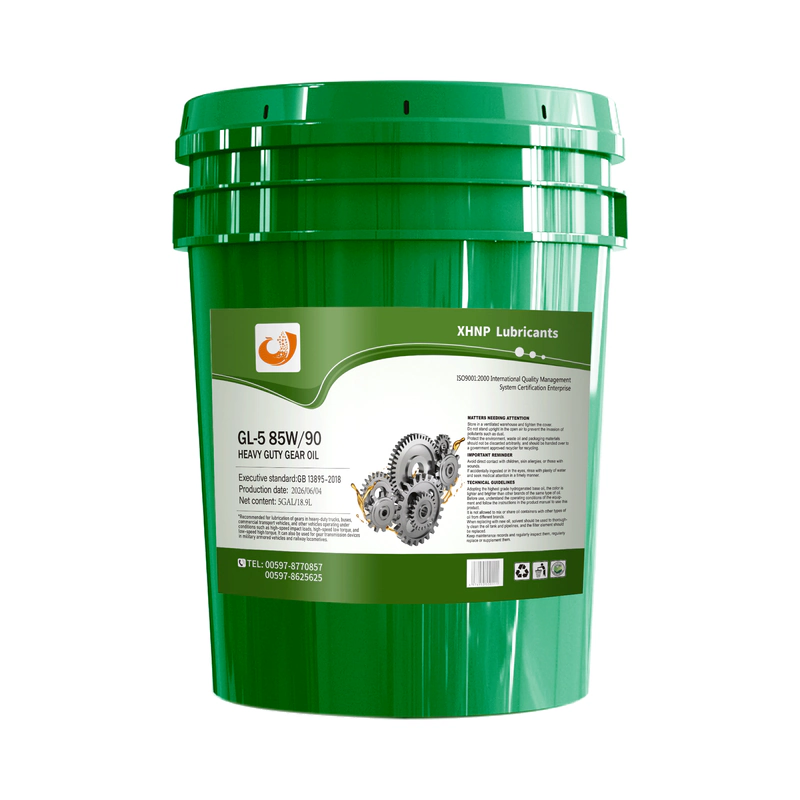
For supply information, review the XHNP heavy duty gear oil product or service page. Confirm the quoted formulation and current technical documentation for automotive axles and final drives with an explicit heavy-duty gear-oil requirement.
heavy duty gear oil enquiry: axle and transmission boundaries
Send XHNP the axle and transmission boundaries enquiry with axle or gearbox model, the present heavy duty gear oil identity and the evidence already collected. Ask the technical contact to address how to record the requirement for each compartment. Add order quantity and destination if a quotation is required.
Contact XHNP about axle and transmission boundaries, or use the form following these questions.
Questions about axle and transmission boundaries
What is the starting point for heavy duty gear oil in this case?
Record the requirement for each compartment. The concern being assessed is one workshop stock proposed for several driveline units.
Is the smallest possible lubricant inventory the best target?
Not necessarily. Reduce unnecessary variation only where the technical requirements permit it. Retain clearly identified exceptions for incompatible applications.
Which records matter for axle and transmission boundaries?
Axle or gearbox model, required API class, SAE grade, limited-slip requirement. Select product approval evidence, wear trend, oil-temperature record where these tests answer the stated question.
What limits a heavy duty gear oil recommendation here?
Gear oil is not one universal driveline product. Do not substitute an axle lubricant into a synchronised transmission solely because the viscosity appears similar.
What should the axle and transmission boundaries enquiry identify?
The application is automotive axles and final drives with an explicit heavy-duty gear-oil requirement. Explain one workshop stock proposed for several driveline units, provide the existing product identity and request a response to this action: record the requirement for each compartment.